

Silt & Sludge Removal for Lakes & Ponds
Professional sediment and sludge removal services that restore depth, improve circulation, and support healthier waterways.
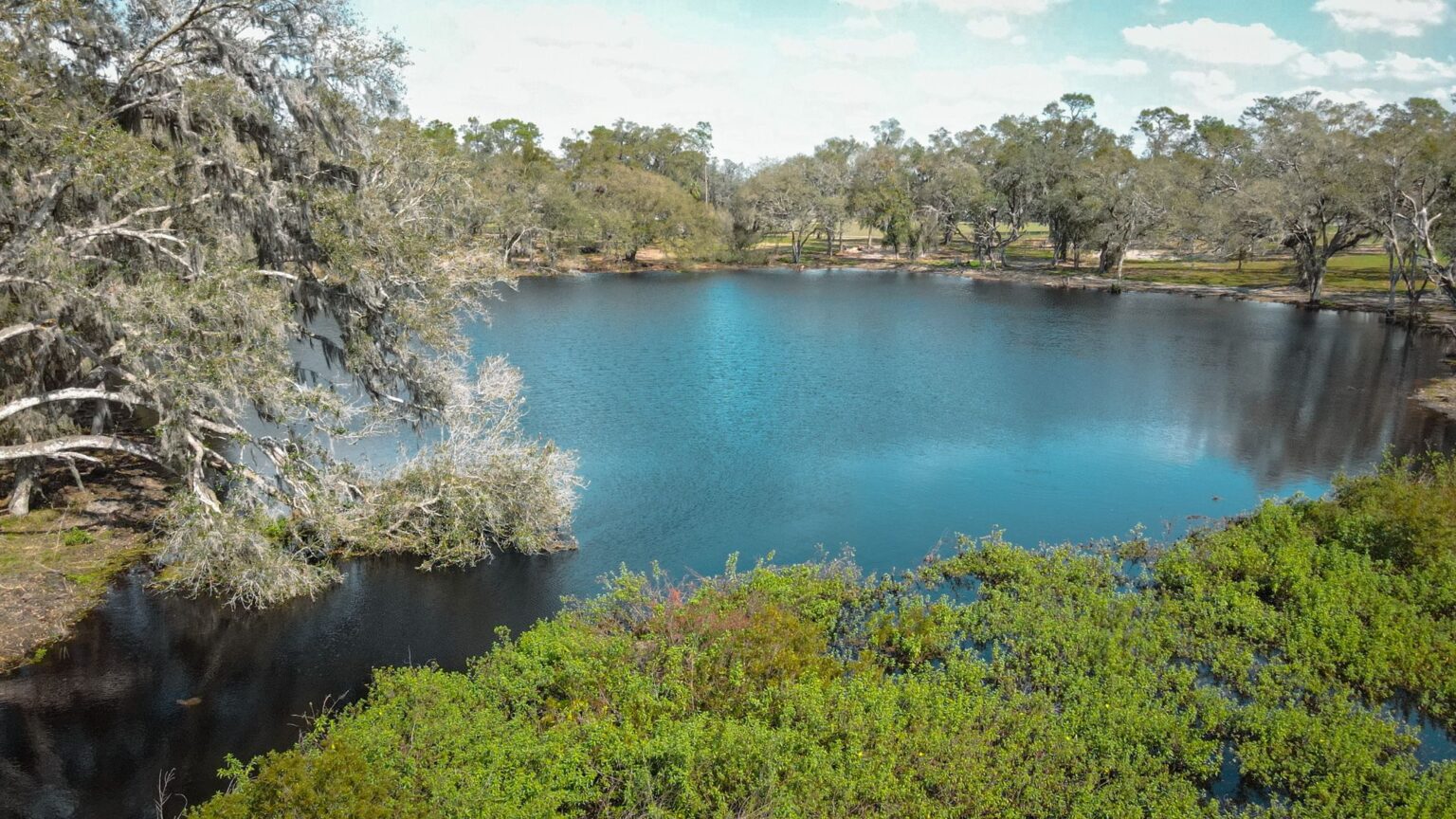
See the dramatic difference professional aquatic vegetation removal can make. Our equipment clears dense plant growth and restores open, healthy waterways.
What Is Silt & Sludge Buildup?
Over time, organic debris, sediment, and sludge accumulate on the bottom of lakes, ponds, and retention basins. This buildup reduces water depth, restricts circulation, and contributes to poor water quality.
Our silt and sludge removal services restore healthy water conditions by removing accumulated sediment and organic material from the bottom of the waterway.
- Removes accumulated sediment an sludge
- Restores water depth and circulation
- Improves overall water quality
- Helps prevent excessive algae growth
HOW IT WORKS
Our Sediment Removal Process
Sediment and sludge buildup develops gradually as organic material settles on the bottom of ponds and waterways. Our removal process restores depth while improving overall water circulation.
Step 1
Site Assessments
We evaluate sediment levels, water depth, and bottom conditions.
Step 2
Sediment Removal
Specialized equipment removes accumulated silt and sludge.
Step 3
Material Extraction
Removed sediment is transported away from the waterway.
Step 4
Depth Restoration
The waterway regains improved depth and circulation.
WHY IT MATTERS
Why Removing Silt & Sludge Is Important
Restores Water Depth
Removing accumulated sediment restores lost water capacity in ponds and lakes.
Improves Water Circulation
Deeper waterways allow better movement and oxygen exchange.
Reduces Algae Growth
Excess sludge contributes nutrients that fuel algae blooms.
Supports Long-Term Waterway Health
Routine sediment removal helps maintain stable aquatic environments.
Contact Our Team
If you have questions about aquatic weed removal, algae control, waterway restoration, or any of our services, contact our team today. We’re happy to discuss your project and recommend the best solution for your waterway.
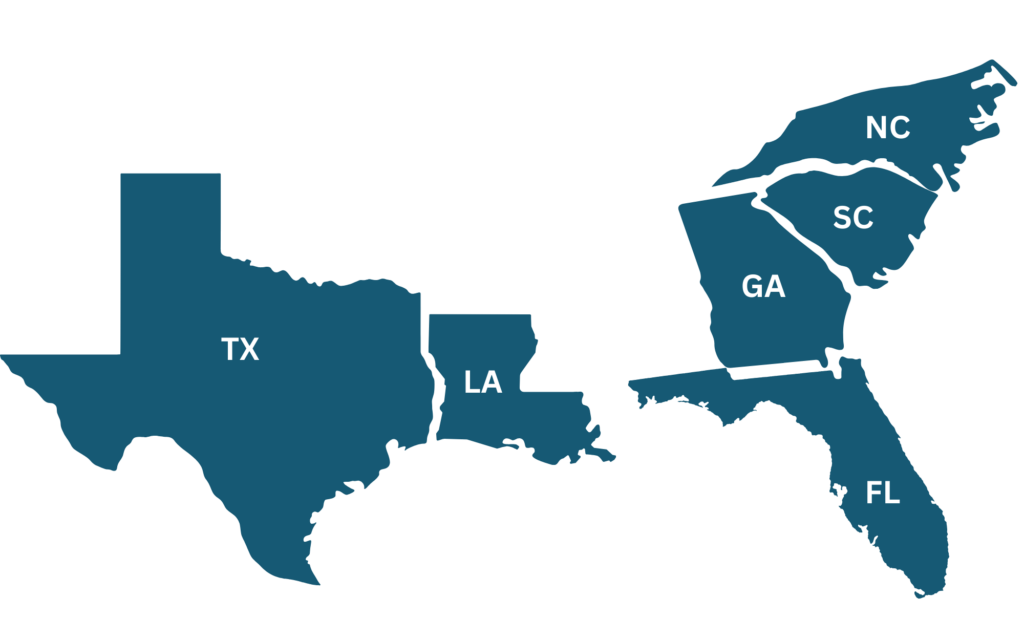
- Serving Florida and the Southeastern United States
- Hours Monday – Friday 8:00 AM – 5:00 PM
Serving Florida and the Southeast
We serve residential and commercial properties across Florida with reliable pond sludge removal, lake dredging, and sediment cleanup services.
Why Property Owners Trust Our Team
- Experienced aquatic vegetation specialists
- Environmentally responsible removal methods
- Specialized restoration equipment
- Reliable service across the Southeast
Restore Your Waterway Today
If your lake pond or canal is experiencing overgrowth
Frequently Asked Questions
What types of waterways do you service?
We provide aquatic vegetation management and restoration services for lakes, ponds, canals, retention ponds, drainage systems, golf course water features, and other managed waterways throughout Florida and the Southeast.
How do I know if my waterway needs professional maintenance?
Signs include excessive plant growth, algae blooms, poor water circulation, unpleasant odors, sediment buildup, restricted water flow, or increased mosquito activity around the shoreline.
Are your services environmentally responsible?
Yes. We prioritize methods that support long-term waterway health while minimizing impact on surrounding aquatic ecosystems, fish populations, and wildlife habitats.
Do you work with residential and commercial properties?
Yes. We work with homeowners, HOAs, municipalities, commercial properties, golf courses, and property management companies.
How can I request an estimate?
Simply contact our team by phone or through our online form. We’ll discuss your project, evaluate your needs, and recommend the most effective solution.
What is the difference between silt and sludge?
Silt consists primarily of fine sediment that settles over time, while sludge is typically made up of decomposing organic material that accumulates on the bottom of a waterway.
How does sediment buildup affect a pond or lake?
Excess sediment can reduce depth, limit water storage capacity, restrict circulation, and contribute to ongoing water quality issues.